Silence

Hello chatter, my old friend.

The sounds of silence are a dim recollection now, like mystery, privacy and paying attention to one thing — or one person — at a time.

As far back as half-a-century ago, the Swiss philosopher Max Picard warned: “Nothing has changed the nature of man so much as the loss of silence,” once as natural as the sky and air.

As fiendish little gadgets conspire to track our movements and record our activities wherever we go, producing a barrage of pictures of everything we’re doing and saying, our lives will unroll as one long instant replay.

There will be fewer and fewer of what Virginia Woolf called “moments of being,” intense sensations that stand apart from the “cotton wool of daily life.”

“In the future, not getting any imagery or story line or content is going to be the equivalent of silence because people are so filled up now with streaming video,” said Ed Schlossberg, the artist, author and designer who runs ESI Design. “Paying attention to anything will be the missing commodity in future life. You think you’ll miss nothing, but you’ll probably miss everything.”

Schlossberg said that, for a long time, art provided the boundary for silence, “but now art, in some cases, is so distracting and intense and faceted, it’s hard to step into a moment. Especially when you’re always carrying a microcamera and a screen all the time, both recording and playing back constantly rather than allowing moments of composition and stillness when your brain can go into a reverie.”

I wish I had written this, but whoever did is lost to memory (especially since I didn’t write it down.) So, if anyone recognizes it, please let me know and I’ll add it here. Thanks.

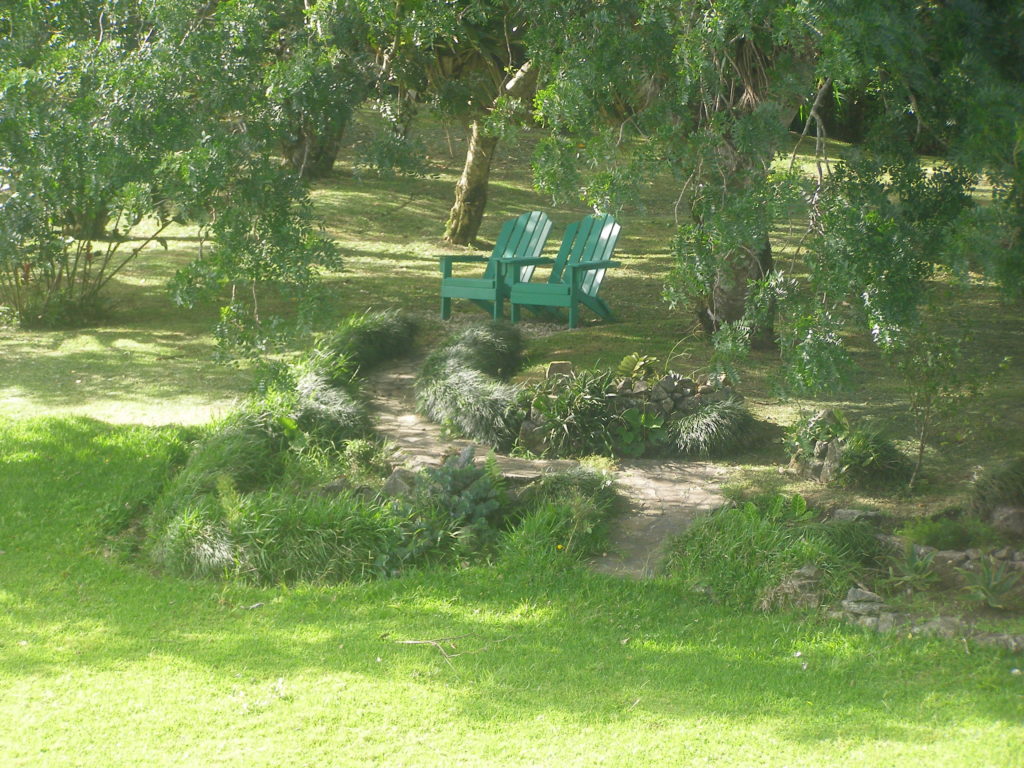
Photo by SSH

One Day at a Time

One day at a time –

One cloud humming in a pure sky,

One dying tree,

Russet leaves falling.

The flight of one hawk calling

The laugh of one young monkey

In the towering trees,

One caught gecko cheeping

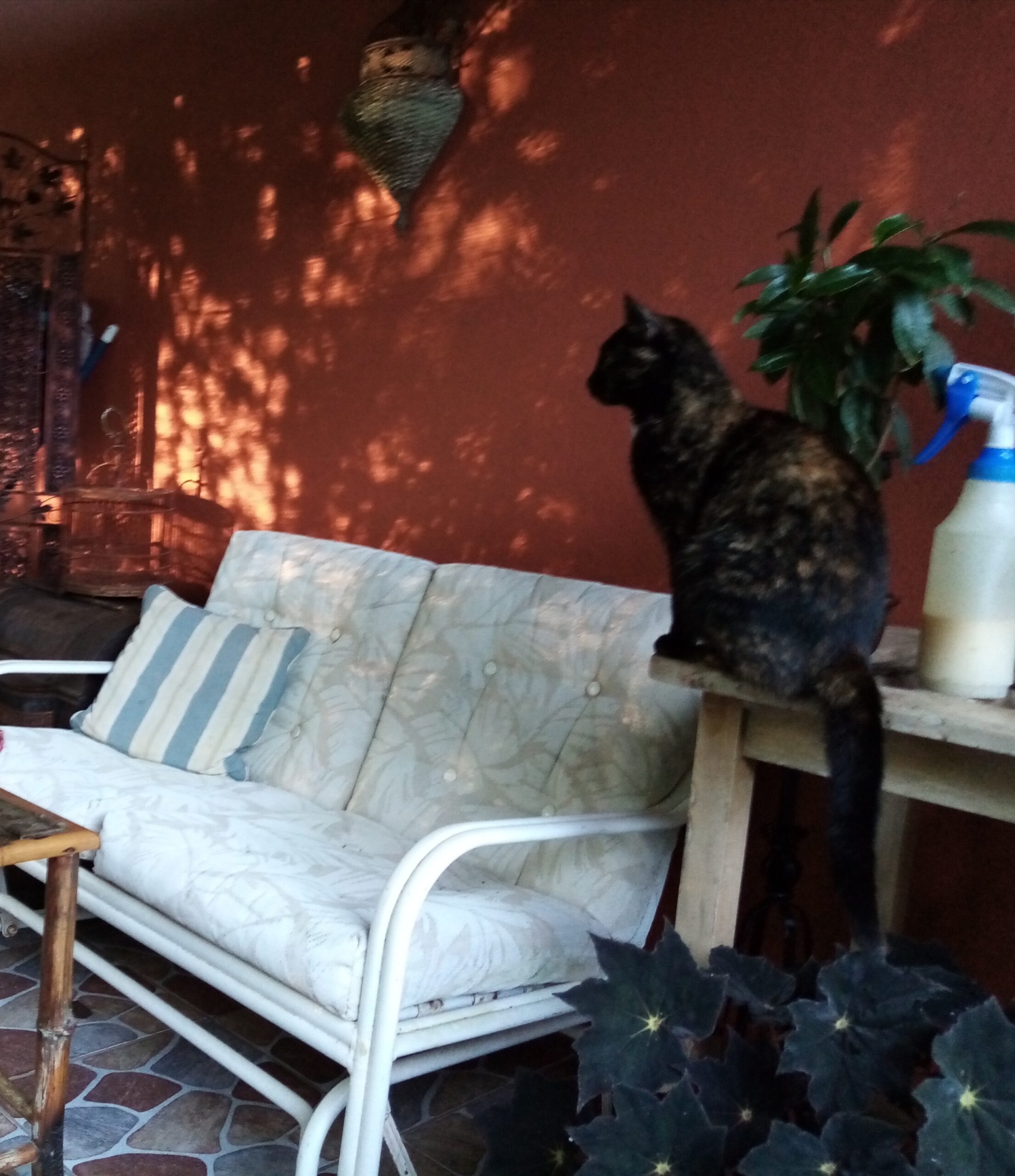
Between my cat’s teeth.

One call from a friend –

Oh, how deep this goes!

One coyote’s song

So wild, so old.

All I have to do,

While I am waiting,

Is listen

One day at a time.

SSH

Photo by Scott Suriano

10 Questions Never to Ask a Writer

Reposted from a blog by By Lauren B. Davis | January 4, 2010 | 40

I wonder how many of you have asked a writer of your acquaintance what you thought was a perfectly harmless question, one intended to show your interest in that person and what they do, only to be rewarded by a mumbled response, possibly a trembling chin, or, horrors, a glower.  You walk away thinking, What’s wrong with these writer people?  Have they no manners? Well, sadly, some of us don’t, but it’s more likely you’ve stumbled upon one of the questions likely to leave us at…well, a loss for words.

I don’t mean to suggest that writers are such fragile flowers that no one should approach us for fear of having us break down in puddles if asked the wrong question.  Really, that hardly ever happens.  But if you do detect a slight twitch, or an inadvertent sigh, perhaps it’s because you’ve asked a perfectly well-meaning, seemingly reasonable question, one that if you asked anyone else wouldn’t be a problem.  However, as writers, alas, we’ve probably been asked that question a thousand times before, and wouldn’t mind at all, if we had a decent answer, but we don’t, and so we mumble and sigh and twitch and go and stand behind the potted palm where it’s safer. It’s embarrassing to stand there with a drink in one hand and a palm frond up the nose.  Uncomfortable for everyone, really.

So, for next time…these are some questions writers dread, in no particular order:

1. How’s the novel coming? Well, probably not very well.  Novels are wild, unwieldy beasts that resist being tamed.  Really, do you want to hear how Faulkner spent twelve hours writing a scene about looking at young girl’s dirty underpants as she climbed a tree?  Probably not, and that was the definitive scene in The Sound and the Fury, so imagine how much less you’ll want to read about that eel-skinning scene I labored over for hours yesterday, only to erase today.  To quote Oscar Wilde, “I was working on the proof of one of my poems all the morning, and took out a comma.  In the afternoon I put it back again.”

There is also a story about James Joyce wherein someone came round to see The Great Man as he worked in his Paris garret

“How are you, James?” he said.  “You don’t look so good.”

“I’m terrible.”

“Is it the writing?”

“Of course it’s the feckin’ writing!  It’s always the writing!”

“Can you not write then?  Are you blocked?”

“I’ve written seven words today.”

“Well, James,” said the friend, “for you, actually, that’s not bad.”

“I suppose,” said the Great Man, “but now I’ve got to figure out what order to put them in.”

Thus, it’s a question for which there is no good answer, and we know it.

2. Are you writing? If I am, see 1. above. If I’m not, you really don’t want to know.  The only thing worse than having writer’s block is talking about it.  Having to listen to such panicked whining is recognized as torture and we wouldn’t dream of inflicting it on you.

3. Has your novel sold? Sad to say, but it’s unlikely.  Publishing is a slaughterhouse these days, and even in the Good Old Days (if ever there were any), almost no one published, and of the minuscule number who did, almost none of those published a second novel.  Having to answer that question over and over again is like rubbing glass in an open wound.  Believe me, if there’s good news, we’ll be telling you.  Heck, we’ll be telling EVERYONE! Most of us write because we can’t stop writing – it’s a sort of mental illness – and thus we do so in spite of the searing disappointments.  Try not to make us talk about it.

4. When’s that new book coming out? Let’s put it this way: if, since the last time we spoke, I’ve finished the manuscript, submitted it to my agent, my agent has read it (which usually takes three months because they are busy, important folks), and loved it just as it is with no changes at all; if the agent has then in turn submitted it to editors and one of them has read it (think another few months or so, or more, since editors are also important, busy folks), and that editor LOVED it, and showed it to the sales force (the important people who really run publishing these days) and the sales force LOVED it just as it is, and made an offer……. even if ALL those things have already happened, it will still be around TWO YEARS before the book will actually come out, due to the editing and production process.  So, if you’ve asked this question once in the past three years, you needn’t ask it again. Also, see 3).

5. I just love the new Dan Brown novel (or Sarah Palin’s memoir), have you read it yet? My condolences, and no.

6. How come I can’t get your books here? And by ‘here’ you probably mean America. This one may not apply to all writers, but it will to a surprising number of us.  Especially if we are, say, from Canada or Britain or Ireland or Scotland or New Zealand or Australia… doubly so if we are from a country where English isn’t the first language (and no jokes about Scotland, please).  Although, with some justification, America views itself as the center of the universe, people do publish in other countries, and getting published in England does not mean a writer will find a publisher in New York, which considers itself (again, with some justification) as the center of the center of the universe.  Without a publishing contract in the US, the book will not be available to the US market.  You could, however, go on the internet and order books from bookstores in the US or Canada or gasp, even Australia.  I do it all the time.

7. Is that story autobiographical? Until my parents are all dead, the answer to that is no.  I’m joking, really Mum, I am.  However, it can be a bit insulting to a writer to have everyone think that a) you really were a junkie porn star homicidal trust fund baby and just kept it a secret, or that b) you haven’t the imagination to MAKE THINGS UP, which is, after all, what fiction writers are supposed to do, mostly. I will paraphrase what W. Somerset Maugham said, though, in that writers are not God, we cannot create out of nothing.  Everything is inspiration and fodder, even cocktail party conversations.

8. Oh, you’re a writer! Have I heard of you?  Do I know your books? I have no idea, but if not please don’t make it sound as if I’ve failed. Might I suggest, if you’re interested, you note one of the titles and buy a book?

9. How big an advance did you get? How many books did you sell? Now really, didn’t your mother ever tell you it was impolite to ask someone what they make for a living?  It will either be shockingly low by your standards, or shockingly high, neither of which is useful information. People in France, where I lived for many years, never ask these sorts of particularly American questions.  They ask instead, “Where can I buy one of your books?” Which is a lovely question, since it implies they are a) interested in your work, and b) interested in supporting your work by actually BUYING a book.

10. What’s the book you’re working on about? Two problems with this question: the first is that if I talk too much about it, I won’t write about it, so I don’t mean to be rude, but I don’t want to answer that question.  (Most people are pretty good about that and don’t take offense, but you’d be surprised, perhaps, by how many do.)  The second problem is that I may not know.  I write a story that pops into my head, but I may not know what it’s really about until a long way down the line.  When I was writing The Radiant City, it wasn’t until I was through the first draft, and heard Rev. Ernest Hunt, the Rector at the American Cathedral in Paris, say, “Cynicism is the last refuge of the broken-hearted” that I understood I was writing about precisely that – whether disillusionment, the kind that breaks your heart, like terrorist attacks, or war, or genocide, damns you to a life of cynicism, or if it’s possible to continue to walk through the world with a compassionate heart. (The quote became the epigram of the book.  Thanks Ernie!)

And although it’s not a question, there is one statement that’s almost guaranteed to send a writer scrambling to a safe nest behind the potted palm:  “I’m going to take six months off from my job and write a book.”

Legend has it this statement was made to either William Styron or Margaret Lawrence, depending on who’s telling it, by a heart surgeon at a cocktail party.  As in, “I just loved your book so much, and you’ve inspired me.  I’m going to take six months off from my job and write my own memoir.”  “Really,” replied William/Margaret. “Well, you’ve inspired me as well.  I’m going to take six months off from writing and become a heart surgeon.”

I wouldn’t have the guts to say that, but I admit it, I do think it from time to time. It takes as long to learn to be a good writer as it does to do anything else – play the violin, perhaps, or architecture, or yes, heart surgery.  And just like those things, having just a soupcon of talent doesn’t hurt.

So at this point you might be asking yourself what you CAN ask a writer.  Well, we love talking about books we’ve enjoyed, as well as anything else that inspires us. And as writers we tend to watch the world pretty closely, since you never know when a story worth writing about may pop up, so current affairs are just as interesting to us as to anyone else.  Then too,  if we’re well-brought up, psychologically stable folk (and some of us are), we probably think YOU’RE pretty interesting. You might not want to answer questions about, say, how much you make for a living, and I wouldn’t dream of asking you, but I’d be fascinated to learn, for example, what you believe and how you came to believe it.  I’d like to know how you met your spouse, and what you think about the death penalty, and why; and what you think about censorship, and that story about fly-fishing, and the one about the rescue dog, and what you think it means to be a good person… oh, there’s a world of things out there to talk about, isn’t there?

Photo by SSH

I Thought the Ocean was Forever

From The Guardian

We hear the call of the sea in poems from Coleridge and Eliot to Kathy Jetn̄il-Kijiner, but those words also sound a warning – if only we would listen

David Farrier, Mon 26 Dec 2022

TS Eliot wrote The Dry Salvages as second world war bombs fell on London. The poem imagines humanity adrift in a leaky boat, the sea “all about us”. But poetry, like the sea, is never still. “Where is there an end to the drifting wreckage,” the poem asks. The answer: “There is no end, but addition” reads differently in 2022 than in 1941, as 12m tonnes of plastic are added to the oceans each year.

Reading is tidal, and each tide brings with it new associations. It is difficult now to read John Masefield’s Sea-Fever without thinking of bleaching coral, or Samuel Taylor Coleridge’s The Rime of the Ancient Mariner without picturing Chris Jordan’s photographs of dead albatross, their stomachs full of brightly coloured plastic. “‘Hope’ is the thing with feathers,” but avian flu is decimating seabird populations.

Poetry, both old and new, not only reveals the oceans’ uncanny beauty, it also frames the monstrous dilemmas of rising seas, pollution, and declining biodiversity.

Marshallese poet Kathy Jetn̄il-Kijiner’s collection Iep Jaltok confronts the existential challenge of sea-level rise for island nations. In 2 Degrees, her infant daughter’s fever prompts a bitter reflection on the arrogance of fossil fuel-consuming nations: the difference between 1.5C and 2C “Seems small … just crumbs / like the Marshall Islands / must look / on a map”. Jetn̄il-Kijiner was the Marshall Islands’ climate envoy at Cop27, and criticised the failure to phase out fossil fuels even as developing nations celebrated the loss and damage fund.

“The call of the running tide / Is a wild call and a clear call that may not be denied;” writes Masefield in Sea-Fever. Likewise, the Marshall Islands’ claim to a liveable future in the face of rapidly rising tides is – or ought to be – irresistible.

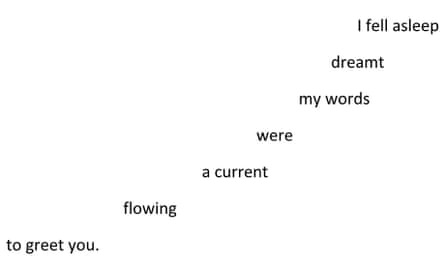
There is hope in these poems, but it’s something made in the face of grim predictions. Two poems, arranged to resemble baskets, bookend Jetn̄il-Kijiner’s collection, the words like tiny atolls in the white sea of the page:

Kathy Jetn̄il-Kijiner poem from Iep Jaltok collection

The loss of indigenous cultures washes away whole worlds. Among the Inupiaq of Alaska, seals, whales and seabirds are people. Even “Oil is a People,” writes Inupiaq poet dg nanouk okpik. Throughout her collection Corpse Whale, okpik uses a split pronoun, “she/I”, to express this sense of shared personhood. “Will they crawl around her / me, sink their eyeteeth in the sea,” she asks in If Oil is Drilled in Bristol Bay.

“Where they want / to claim the sea for roads,” she writes in No Fishing on the Point, “She’s/I’ve watched the currents, / […] / which bring […] feasts, and famine.”

For much of human history, the sea’s vastness has suggested eternity, a metaphysical space into which we have poured both our dreams and our waste. There are at least 415 marine dead zones around the world, areas so polluted by nitrogen and phosphorus that the water is free of oxygen. Like the “the rotting sea” of Coleridge’s poem, where “a thousand thousand slimy things / Lived on;” nothing can survive in a dead zone, except jellyfish and bacteria. “Globe globe globe globe,” pulses the jellyfish in Les Murray’s poem, Jellyfish, intimating both its soft-bodied shape and the prospect of a future ocean dominated by anoxic life.

But poetry isn’t science; not bound simply to report on the state of things, poetry is free to imagine what could be. Brenda Shaughnessy’s The Octopus Museum presents a future Earth ruled by cephalopods, creatures whose intelligence is proof that, as the philosopher Peter Godfrey-Smith puts it, “the mind evolved in the sea”. In Caleb Parkin’s day-glo collection This Fruiting Body, chromatophoric creatures rave (“your skin / sings eight-thousand synthesised octopoid loops”) and Ecco the Dolphin, the hero of Sega’s 1990s video game classic, “roves immaculate 16-bit oceans”.

Parkin’s poems celebrate a fluid nature uncontained by binary thinking. A carrier bag floating in the sea becomes “a lazy misremembering / of plankton masses”. The synthetic and the organic flow into one another. That fluidity can be deadly: turtles eat plastic bags because they resemble “the ghost of a jellyfish”. But Parkin’s carrier bag wants no more than “to unpack itself […] / to become once again bustling plankton masses.” We know some bacteria colonise marine plastic, and have even evolved to metabolise it. The force underpinning all life, Parkin reminds us, is desire.

Desire is also the main current of The European Eel, Steve Ely’s lush recreation of the incredible transatlantic migration eels undertake to their spawning grounds in the Sargasso Sea. Little is known about their ocean-going lives, but in Ely’s telling it becomes a testimony to life’s irrepressibility. A female eel will gradually consume her own body to fuel the journey, “reducing herself to the seed of her species’ future”. It culminates in an ecstatic account of eel sex, coiling in billowing clouds of golden milt and ova, “sparks from the cornucopian flame / of Archaea’s unkillable, dark pleroma”.

Life thrills in the shallows as well as the deep. The glory of the foreshore is celebrated in Of Sea, Elizabeth-Jane Burnett’s bestiary of the intertidal zone. Mud shrimp drifting with the tide float in “silk light”; ragworm, burrowing in estuarine mud, shimmer “in all the love of being”.

We might say a poem is a bit like a boat, a vessel borne aloft by rhythms that surge or eddy. It is also like the sea itself, with its deep places and ever-receding horizon. “The sea has many voices,” observes Eliot in The Dry Salvages. More than anything, the many voices of oceanic poetry declare the vitality of life even in the midst of crisis. “There is a lullaby in all of us,” Burnett writes, “a call of sea”. If only we would listen.

David Farrier is professor of Literature and the Environment at the University of Edinburgh, and the author of Footprints: In Search of Future Fossils

Photo by SSH

Perspective

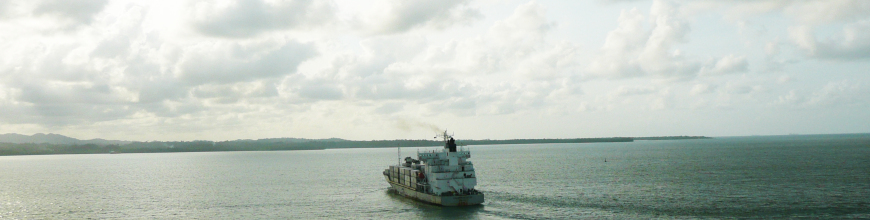
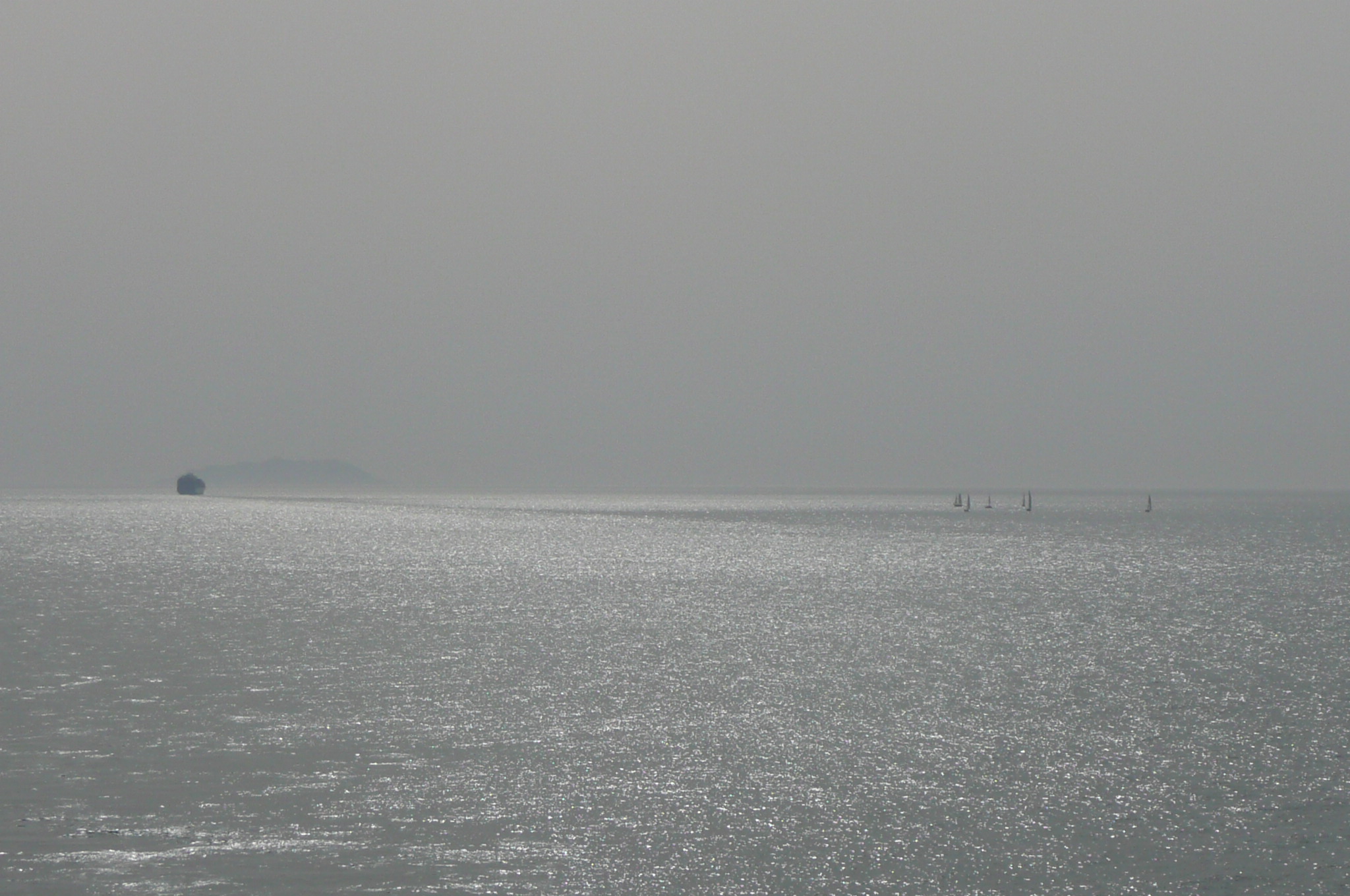
I am standing on the seashore.  A ship at my side spreads her white sails to the morning breeze and starts for the blue ocean.  An object of beauty and strength, she sails into the distance diminishing in size, until she hangs like a speck of white cloud where the sea and sky mingle.

 Then someone says, “There!  She’s gone.” Gone where?  Gone from my sight—that’s all.  She is just as large in mast and hull and spar as she was when she left my side, and she is just as able to bear her load of living freight to the place of her destination.

 But her diminished size is in me, not in her; and just at the moment when that someone at my side says, “There!  She’s gone,” there are other eyes watching her coming and other voices ready to take up the glad shout, “Here she comes!”

Henry Van Dyke

Photo by SSH

Endings

In literature, we have a chance for closure. We can put the punctuation mark wherever we like, whether it marks the end of grief, the beginning of a relationship, the birth of a child, the end of a life, or the decision to live again. . . . Writers are not seers. Armed with the “knowledge of what has gone before,” we mold events, truths, into narrative, and hope and know that the last punctuation mark is not the end, but the invitation to begin again.

http://blog.pshares.org/index.php/author/evdecleyre

Photo by SSH

When the Music Plays You

“I love trying to spin the world into a web of words. And I love those times when it feels like those words turn into a world of their own.”  — Rose Auslander 

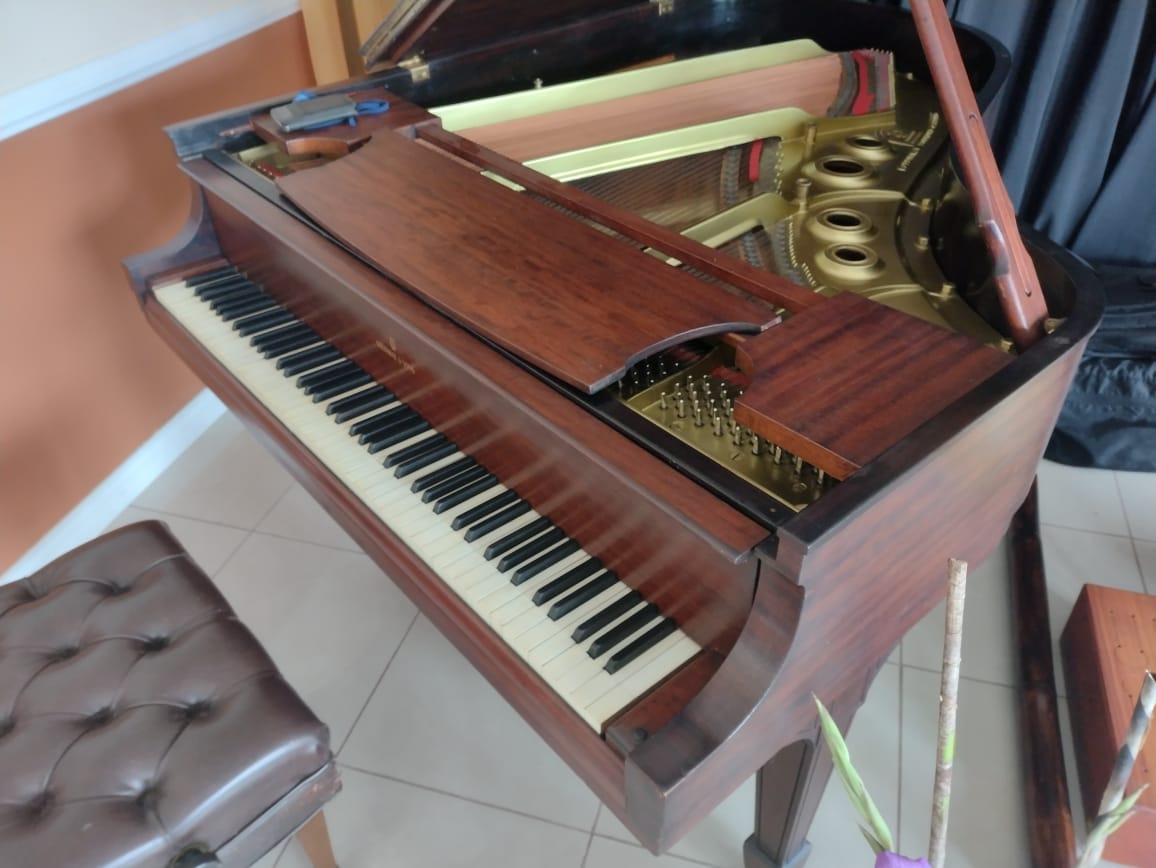
I am seventeen and practicing the piano.  I go at it two hours a day, and no longer need the nagging of my parents, when I used to prefer playing softball after school. The work itself is its own reward, playing a passage over and over at different rhythms, until it comes out smooth as silk.  

I rarely practice after dark, since I don’t want to disturb my father, who may have brought work home.  But now that I’m on the yearbook committee, there are days when I simply have to. It’s winter and the room is dark except for the light over the piano, and I feel my father’s entrance and his quiet sigh as he sits down well away from the piano and me.

It is near the end of my practice session, when I play something for pure pleasure, and tonight it’s a Schubert impromptu, a piece I love to play, complex and romantic.  I am aware that my father is in the room; I am aware of all the ambiguities of our relationship; I know, however, that my ability to play so well has pleased him, and that falls into the complexity of Schubert, me, my father, the abuse, all the pain of never knowing if he has loved me or not. 

Somehow, I throw myself into the music, I become the music, the music — Schubert — is playing me.  It’s transformative. I am no longer in this darkened living room.  My father is still here, because there is a musical line connecting us, and I thrill as the phrases and chords and notes become a world of their own — a world described by incredible beauty and freedom. And at the end, I bow my head over the keys and feel full of the act of love I have just performed.

Photo by Roger Eichholz

Seeing from the Heart

I believe natural beauty has a necessary place in the spiritual development of any individual or any society. I believe that whenever we destroy beauty, or whenever we substitute something man-made and artificial for a natural feature of the earth, we have retarded some part of man’s spiritual growth.

I believe this affinity of the human spirit for the earth and its beauties is deeply and logically rooted. As human beings, we are part of the whole stream of life. We have been human beings for perhaps a million years. But life itself — passes on something of itself to other life — that mysterious entity that moves and is aware of itself and its surroundings . . . . Our origins are of the earth. And so there is in us a deeply seated response to the natural universe, which is part of our humanity.

Rachel Carson

Another Stellar Review of Evelio’s Garden

I read Evelio’s Garden slowly so as to enjoy every moment to the full. I enjoyed the prose, as well as the combination of the author’s personal moments with the beautiful descriptions of places, landscapes, nature and people, all of which make the reading very agreeable. The strength and positive attitude with which she confronts the vicissitudes and difficulties, without losing her calm and sense of humor, are admirable. The descriptions of some of the situations are really comical: for example, the bonsais, Ruth and the bats, the rice and beans on her bus trip to San José. The relationship with Evelio is truly special; her patience, tolerance and empathy are admirable. The way she describes moments of frustration, pain and anger, along with happiness and humor is marvelous. All of these elements mixed with the descriptions of people, customs, the culture, birds, plants and the countryside, made for me, one of those “trips” that will never be forgotten.  My gratitude for the gift of these memoirs and the hours of pleasure I spent reading them. — Enrique Venegas

Finding the Right Words

For a long time, I have looked for a way to describe my connection to the natural world.  I tried in Evelio’s Garden, but no writer that I have encountered since has come as close as I have the privilege to quote here. Of  course there have been many before me, but none that I have discovered as right on as these two: Robinson Jeffers and Oliver Sacks. (And I’ll keep looking!)

The parts change and pass, or die, people and races and rocks and stars, none of them seems to me important in itself, but only the whole. This whole is in all its parts so beautiful and is felt by me to be so intensely in earnest, that I am compelled to love it, and to think of it as divine. It seems to me that this whole alone is worthy of the deeper sort of love; and that here is peace, freedom, I might say a kind of salvation.

— Robinson Jeffers

This image has an empty alt attribute; its file name is image.png

The sense of deep time brings a deep peace with it, a detachment from the timescale, the urgencies of daily life. Seeing these volcanic islands and coral atolls, and wandering, above all, through this cycad forest on Rota, has given me an intimate feeling of the antiquity of the earth, and the slow, continuous processes by which different forms of life evolve and come into being. Standing here in the jungle, I feel part of a larger, calmer identity; I feel a profound sense of being at home, a sort of companionship with the earth.

 – Oliver Sacks

Telling Stories

There’s a big difference between writing stories and telling them out loud. This is something I’ve discovered as, over the years, I have recorded bits and pieces of various things I have written. Somehow, the spoken word is infinitely more powerful. Recently I was invited by an interviewer to record a story from Evelio’s Garden, and since her website focused on finding joy in our lives, I picked robins and sea lions. Well, listen and you’ll see how they’re related.

Georgia O’Keefe on the Art of Seeing

I

GeorgiaOkeeffe_RedCanna_1924.jpg?resize=680%2C823

Georgia O’Keeffe, Red Canna, 1924 (Georgia O’Keeffe Museum)

In a passage originally published in the exhibition catalog An American Place, she writes, “A flower is relatively small. Everyone has many associations with a flower — the idea of flowers. You put out your hand to touch the flower — lean forward to smell it — maybe touch it with your lips almost without thinking — or give it to someone to please them. Still — in a way — nobody sees a flower — really — it is so small — we haven’t time — and to see takes time, like to have a friend takes time. If I could paint the flower exactly as I see it no one would see what I see because I would paint it small like the flower is small.

“So I said to myself — I’ll paint what I see — what the flower is to me but I’ll paint it big and they will be surprised into taking time to look at it — I will make even busy New-Yorkers take time to see what I see of flowers.

“Well — I made you take time to look at what I saw and when you took time to really notice my flower, you hung all your own associations with flowers on my flower and you write about my flower as if I think and see what you think and see of the flower — and I don’t.”

Listen to the Author Reading “A Thousand Shades of Green” from Evelio’s Garden

When you’re writing, sometimes surprising things spill out. This little prose poem was completely spontaneous; it didn’t follow any plot line nor was it the product of any forethought. It came from a moment of pure presence with what I was doing. I looked at it on the screen, slightly amazed, and decided to leave it in.

Photo by SSH

“Forthcoming memoir” is Coming Forth!

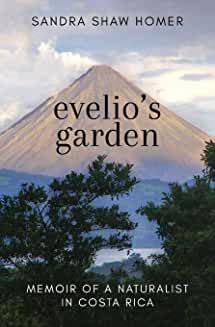
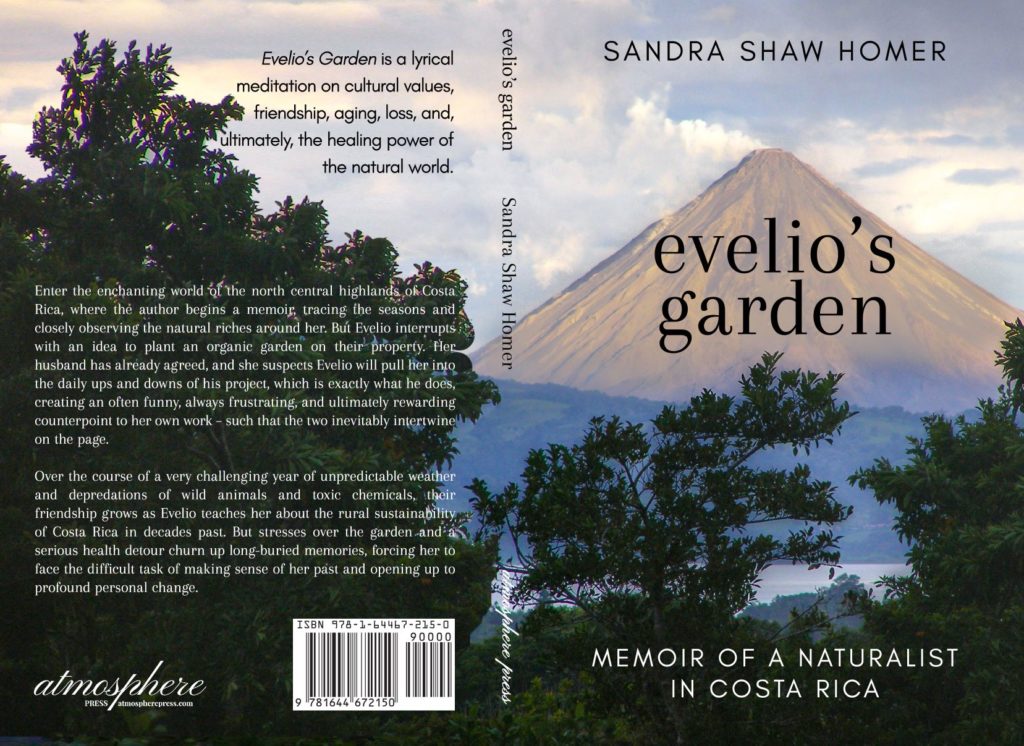
Evelio’s Garden: Memoir of a Naturalist in Costa Rica is coming in September (as soon as I have a few reviews to put on the back cover). Published by Atmosphere Press, a small collaborative publishing house, it looks almost too good to be true.

I had let it slide for a while (ten years???) after contacting a zillion agents who were not thrilled — although some said it was beautifully written — because in the hurly-burly world of major publishing, a small, even beautiful, book needs a lot of extra work to become its own little profit center.

Even after all the work editor Allyson Latta had put into it, I still lacked confidence after so many rejections, but something stirred me when I saw a call for submissions by Atmosphere Press in a publishing newsletter. After I had jumped through so many hoops with the agents (send first and third chapters; send first five pages and a marketing summary; send synopsis of no more than 300 words, etc.) all this press wanted to see was the manuscript!

Well, that was just too easy, so I sent it — what the hell? — and a few days later I had a note from the publisher, Nick Courtright, a well-known poet in his own right, saying they would like to take it. I was flabbergasted: this was really too easy. So I hemmed and hawed for a few days (was that weeks, Nick?) until agreeing to go forward.

Nick put me in touch with one of their editors, with whom I had an excellent few weeks of working together — he liked it! — and I was beginning to feel a little jazzed. So, here it comes:

More later!


Mosbet sitesinde gezinirken dikkat çeken basit dokunuşlar kullanıcıyı yormuyor

Mosbet ile Kullanıcı Dostu Deneyim: Basit Tasarımın Önemi

Kullanıcı Deneyiminde Sadelik ve İşlevsellik

Teknolojinin hızlı gelişimiyle birlikte, dijital platformlarda kullanıcı deneyimi önemli bir rekabet alanı haline geldi. Özellikle bahis ve oyun sitelerinde, ziyaretçilerin site içinde rahatça gezinebilmesi, karmaşadan uzak, sade tasarım dokunuşlarıyla mümkün oluyor. Bu noktada mosbet gibi platformlar, kullanıcıların gözünü yormayan, kolay erişilebilir arayüzleriyle dikkat çekiyor. Basit düzen, hızlı erişim ve anlaşılır menüler, kullanıcıların aradıklarını zahmetsizce bulmalarını sağlıyor.

Site içinde kullanılan renk paletleri, yazı tipleri ve butonların yerleşimi gibi detaylar, aslında deneyimi doğrudan etkiliyor. Karmaşık grafikler ya da ağır animasyonlar yerine, sade ve işlevsel tasarım tercih edildiğinde kullanıcıların siteye bağlılığı artıyor.

Modern Teknolojiler ve Güvenlik Önlemleri

Günümüzde online platformlarda güvenlik, kullanıcı deneyiminin ayrılmaz bir parçası haline geldi. Mesela mosbet, SSL şifreleme teknolojisi kullanarak kişisel verilerin korunmasını sağlıyor. Bu, sadece güvenlik açısından değil, aynı zamanda kullanıcıların siteye güven duymasını destekliyor. SSL, özellikle finansal işlemlerde kritik bir faktör olarak öne çıkıyor.

Ödeme yöntemleri açısından da platform, Türkiye’de yaygın olarak kullanılan banka kartları, e-cüzdanlar ve mobil ödeme sistemleriyle uyumlu. Bu çeşitlilik, kullanıcıların işlemlerini hızlı ve rahat bir şekilde gerçekleştirmesine olanak tanıyor. Elbette, tüm bu hizmetlerde yasal düzenlemelere uyum göstermek de önemli bir kriter.

Mobil Uyumlu Tasarım ve Hızlı Erişim

Artık çoğu kullanıcı internete mobil cihazlardan bağlanıyor. Bu yüzden responsive (duyarlı) tasarım, her platform için olmazsa olmaz. Mosbet sitesinde gezinirken basit dokunuşlar, mobil kullanıcıların beklentilerine göre optimize edilmiş. Menülerin kolay erişilebilir olması, sayfa yüklenme hızının yüksekliği ve dokunmatik ekran dostu butonlar, kullanım rahatlığını artırıyor.

Bu tür basit ama etkili tasarım kararları, kullanıcıların uzun süre sitede kalmasını ve tekrar ziyaret etmelerini sağlıyor. Özellikle yoğun tempolu yaşamda, hızlı ve zahmetsiz erişim herkes için aranan özelliklerden biri değil mi?

Kullanıcı Dostu Arayüzün Getirdiği Avantajlar

Basit bir arayüz; sadece görsel açıdan değil, psikolojik olarak da kullanıcıya rahatlık sunar. Karmaşık ve renkli ekranlar, çoğu zaman dikkat dağınıklığına yol açabilir. Oysa sade ve minimalist yaklaşımlar, odaklanmayı kolaylaştırır. Mosbet gibi platformların arayüzlerinde bu prensipler net bir şekilde hissediliyor.

Özellikle spor bahislerinde ve canlı oyun seçeneklerinde, hızlı karar verme gerektiren durumlarda kullanıcı dostu tasarımın önemi daha da artıyor. Kullanıcı, zamana karşı yarışırken karmaşık menülerle uğraşmak istemez. Bu yüzden sade düzen, işlevselliği ön planda tutarak kullanıcıya zaman kazandırır.

Pratik İpuçları: Mosbet Kullanırken Nelere Dikkat Edilmeli?

Her ne kadar basit ve anlaşılır bir platform olsa da, başarılı bir deneyim için bazı noktaları göz önünde bulundurmakta fayda var. İşte kullanırken dikkat edilmesi gereken kısa bir liste:

  1. Kullanıcı hesabınızı mutlaka güçlü ve benzersiz bir şifre ile koruyun.
  2. Ödeme yöntemlerini ve para çekme politikalarını önceden inceleyin.
  3. Sitedeki güncel lisans bilgilerini ve müşteri hizmetleri erişimini kontrol edin.
  4. Canlı destekten yararlanarak, karşılaştığınız sorunları hızlıca çözün.
  5. Bahis veya oyun sırasında bütçe yönetimine dikkat edin, sorumlu oynayın.

Bu basit kurallarla platformdan çok daha verimli ve güvenli şekilde faydalanabilirsiniz. Kişisel deneyimime dayanarak, kullanıcılar bu tür detaylara ne kadar önem verirse, memnuniyetleri ve güvenleri o kadar artıyor.

Zamansız Tasarım ve Sorumlu Kullanım Önemli

Sonuç olarak, bir platformun başarısı sadece içerik zenginliğiyle değil, aynı zamanda kullanıcı dostu tasarımıyla da ölçülür. Mosbet sitesinde gezinirken fark edilen basit dokunuşlar, kullanıcıların kendini rahat hissetmesini sağlar. Bu da uzun vadede sadık bir kullanıcı kitlesi oluşturur.

Bir diğer önemli nokta ise sorumlu kullanım. Bahis ve oyun sektöründe, her zaman kontrollü ve bilinçli hareket etmek gerekir. Teknolojinin sağladığı kolaylıklarla birlikte, kullanıcıların riskleri anlaması ve bütçelerini aşmaması büyük önem taşır. Böylece dijital eğlence deneyimi hem keyifli hem de dengeli olur.

Kısacası, tasarım ve güvenlik birleştiğinde, kullanıcılar için en ideal ortam yaratılır. Basitlik, aslında karmaşıklığın üstesinden gelmenin en etkili yoludur. Bu yüzden mosbet gibi platformlarda bu yaklaşımın ön plana çıkması şaşırtıcı değil.

Naviguer sans effort entre jeux et bonus sur le meilleur casino en ligne

Explorer aisément les jeux et bonus sur le meilleur casino en ligne

Décrypter l’offre ludique du meilleur casino en ligne

Choisir un site de jeux d’argent n’est jamais une mince affaire, surtout quand la diversité des options semble infinie. Le meilleur casino en ligne se distingue souvent par une ludothèque riche et variée, intégrant des titres populaires comme Starburst de NetEnt ou Book of Dead de Play’n GO. Ces jeux, reconnus pour leurs taux de redistribution souvent proches de 96 %, offrent un équilibre entre accessibilité et divertissement.

Mais au-delà des machines à sous, les amateurs peuvent aussi trouver des tables de blackjack, roulette ou encore des jeux en direct pilotés par Evolution, réputé pour ses croupiers en temps réel. Cette diversité garantit que chaque profil de joueur peut trouver son bonheur, sans jamais s’ennuyer.

Il est intéressant de noter que la plupart des plateformes fiables mettent un point d’honneur à sécuriser les transactions via des protocoles SSL et proposent des méthodes de paiement comme Visa, Neteller ou même des solutions locales selon les régions.

Comment optimiser l’expérience grâce aux bonus proposés

Le charme d’un casino en ligne ne se limite pas à ses jeux ; les bonus jouent un rôle clé dans l’attraction et la fidélisation des joueurs. Entre les offres de bienvenue, les tours gratuits sur certains titres comme Starburst, et les programmes de fidélité, il existe une multitude d’avantages à saisir.

Par exemple, un bon bonus de dépôt peut doubler votre capital initial, mais attention aux conditions de mise souvent complexes. Le meilleur casino en ligne propose des règles claires, évitant les pièges habituels que beaucoup rencontrent. C’est précisément ce qui fait la différence en matière de transparence.

Pour ceux qui veulent approfondir leur stratégie, il est essentiel de comparer les bonus et de lire les petits caractères. Sur ce point, l’expérience montre que la patience est récompensée : il vaut mieux privilégier des offres avec un playthrough raisonnable plutôt que de céder à une promesse trop alléchante mais irréaliste.

Conseils pratiques pour naviguer sans encombre

Se lancer dans l’univers des casinos en ligne demande un minimum de préparation. Voici quelques conseils pour ne pas perdre pied :

  1. Validez toujours la licence du casino pour garantir la légalité et la sécurité.
  2. Testez les jeux en mode démo avant d’engager votre argent.
  3. Gardez un œil sur les limites de mise et les plafonds de retrait.
  4. Privilégiez les méthodes de paiement rapides et reconnues.
  5. Fixez-vous un budget et respectez-le scrupuleusement.

Ces recommandations, simples en apparence, évitent bien des déconvenues. Il m’est arrivé de constater que même les joueurs expérimentés oublient parfois ces bases, ce qui nuit à l’expérience globale.

Pourquoi le sens de la responsabilité est-il crucial ?

Jouer, c’est avant tout un loisir. Pourtant, il n’est pas rare que certains se laissent emporter par l’excitation et perdent de vue leur contrôle personnel. C’est pourquoi le meilleur casino en ligne intègre souvent des outils d’auto-exclusion, des limites de dépôt personnalisables et des rappels pour garder un jeu sain.

Il me semble essentiel, pour tous ceux qui s’adonnent aux jeux d’argent, de reconnaître les signes d’une pratique excessive. Un divertissement qui dérape peut engendrer des conséquences humaines et financières lourdes.

En gardant cela en tête, on s’assure que l’expérience reste plaisante et maîtrisée, évitant les regrets de dernière minute.

Quel avenir pour les plateformes de jeux en ligne ?

Le numérique évolue vite, et les casinos en ligne ne font pas exception. Avec l’essor des technologies mobiles et la montée en puissance des jeux en réalité augmentée, les interfaces deviennent toujours plus immersives. Certains opérateurs, comme ceux référencés parmi le meilleur casino en ligne, investissent dans l’innovation pour offrir une expérience plus fluide et intuitive, notamment grâce à l’intégration de l’intelligence artificielle pour personnaliser les recommandations.

Mais cette modernisation s’accompagne aussi d’une régulation accrue, visant à protéger les joueurs tout en assurant une concurrence loyale. La question reste donc : comment concilier progrès technique et éthique dans ce secteur en pleine mutation ?

Zamiast podsumowania : Une invitation à la prudence et au plaisir

À mon avis, plongé dans l’univers des casinos en ligne, il faut savoir conjuguer curiosité et vigilance. Le plaisir du jeu ne doit jamais se transformer en obsession, et la quête des gains rapides ne doit pas occulter l’essentiel : le divertissement responsable.

Chaque joueur doit se rappeler que derrière les jackpots et les bonus se cachent des mécanismes parfois complexes. Connaître ses limites, comprendre les règles et choisir un site fiable demeure la meilleure garantie pour savourer pleinement cette aventure numérique.

Alors, prêt à tenter votre chance tout en gardant la tête froide ? Le chemin vers une expérience réussie commence toujours par une bonne information — et un peu de chance !

Navigating Aviator’s clean interface feels surprisingly effortless

Exploring the Intuitive Design of Aviator Game for Effortless Play

Why Aviator Game Stands Out with Its Minimalist Approach

There’s something oddly refreshing about games that don’t bombard you with flashy animations or confusing menus. The Aviator game, developed by Spribe, embraces a minimalist design that lets players focus on what truly matters—enjoying the gameplay without distractions. This clean interface is not just an aesthetic choice; it enhances the user experience by making navigation intuitive and straightforward.

For anyone who has ventured into online gaming realms cluttered with overwhelming options, Aviator’s simplicity is a breath of fresh air. The game’s layout prioritizes clarity, which helps newcomers feel at ease immediately. This approach proves that less can indeed be more when it comes to digital entertainment.

Curiously, the feeling of fluidity in navigating the Aviator game isn’t accidental. It reflects a deliberate design philosophy aimed at removing friction points that often frustrate players. It’s no surprise that many users find themselves returning to this game not because of flashy graphics, but for the sheer ease of use and crisp interaction.

The Mechanics Behind Aviator’s Appealing Gameplay

At its core, the Aviator game combines simple yet engaging mechanics with a competitive edge. Players watch a plane taking off and decide the perfect moment to cash out before the plane flies away, balancing risk and reward. This mechanic creates a mix of suspense and strategy that keeps players hooked.

The RTP (Return to Player) percentage, which hovers around 97%, makes Aviator a fair proposition within the realm of chance games. Alongside this, the game benefits from robust technologies like SSL encryption, ensuring security and trustworthiness, which are crucial for any online game involving stakes.

Players can rely on common payment methods such as credit cards, e-wallets, and bank transfers to fund their accounts easily, which supports a smooth start and continuation of play sessions.

Practical Tips for Getting the Most Out of Your Aviator Experience

While the game’s interface is designed for effortless use, there are nuances worth noting that can enhance your overall experience. First, patience is key. The thrill often lies in timing—knowing when to hold on and when to cash out. It’s tempting to chase big wins, but understanding the game’s pace will serve a player better in the long run.

Here are some essentials to keep in mind:

  1. Start with small bets to get a feel for the game’s rhythm.
  2. Pay attention to previous rounds but avoid relying solely on patterns—they may not predict outcomes.
  3. Set personal limits to maintain control and avoid impulsive decisions.
  4. Utilize the game’s demo mode if available to practice without financial risk.
  5. Keep in mind the importance of responsible gaming—it’s about enjoyment, not chasing losses.

From my perspective, this practical approach not only makes the Aviator game more enjoyable but also helps maintain a healthy balance between excitement and control.

How User Interface Design Impacts Player Engagement

The success of the Aviator game is a testament to how thoughtful user interface design can influence player retention. When controls are obvious and the layout isn’t cluttered, players feel more confident and less overwhelmed. This contributes to longer sessions and more frequent visits.

Moreover, the real-time feedback provided by the game—such as animations that are subtle but informative—adds to the immersive experience without complicating the screen. The clean design allows players to focus on decision-making rather than deciphering interface elements.

Isn’t it interesting how a minimalist approach can sometimes capture attention better than elaborate visuals? It challenges the notion that digital entertainment must be loud to be engaging.

What Worth Remembering About Aviator Game

Engaging with the Aviator game offers more than just a chance to win; it introduces players to a seamless blend of simplicity and strategy. The clean interface invites players into a world where decisions are clear, and the mechanics are easy to grasp. This fosters an environment where the experience feels natural rather than forced.

Responsible gaming remains crucial here. While the Aviator game is designed to be straightforward, it’s essential to approach it as entertainment and not a guaranteed income source. Setting limits and recognizing when to take breaks can make the experience more sustainable.

Ultimately, Aviator’s charm lies in its elegant design and balanced gameplay, making it a distinctive choice for anyone interested in this genre. It’s a reminder that sometimes, clarity and user-friendliness are what truly elevate a game above the noise.

If you’ve been curious to explore a title that doesn’t overwhelm but invites you to dive in seamlessly, the Aviator game is definitely worth a look.

Mit Kryptowährungen setzen: Was krypto casinos online wirklich anders machen

Krypto Casinos Online: Wie Kryptowährungen das Spielerlebnis verändern

Neue Wege im Glücksspiel mit Krypto Casinos Online

Wer hat sich nicht schon gefragt, was genau krypto casinos online so anders macht als traditionelle Glücksspielplattformen? Die Antwort liegt weit über der reinen Zahlungsmethode hinaus. Seitdem Kryptowährungen wie Bitcoin, Ethereum oder Litecoin ihren Siegeszug angetreten haben, erleben wir eine bemerkenswerte Veränderung im Online-Casino-Segment. Besonders Anbieter, die auf Blockchain-Technologie setzen, bieten nicht nur mehr Anonymität, sondern auch schnellere Transaktionen und oft niedrigere Gebühren.

Interessanterweise findet man bei vielen dieser Casinos populäre Spiele von bekannten Herstellern wie NetEnt, Pragmatic Play oder Evolution Gaming, die mittlerweile auch auf die Krypto-Zahlungsmethoden eingestellt sind. Wer sich für diese Welt öffnet, kann auf eine faszinierende Kombination aus Innovation und vertrauter Casino-Atmosphäre hoffen – ein Umstand, der krypto casinos online für immer mehr Spieler attraktiv macht.

Dass das Thema nicht nur theoretischer Natur ist, zeigt ein Blick auf krypto casinos online, wo sich Nutzende zunehmend für die Vorteile digitaler Währungen entscheiden.

Technische Vorteile und Sicherheit im Krypto-Casino

Einer der essenziellen Unterschiede liegt in der Sicherheit und Transparenz. Blockchain, die zugrundeliegende Technologie der meisten Kryptowährungen, speichert alle Transaktionen öffentlich und dezentral. Das minimiert das Risiko von Manipulationen und Betrug erheblich. Während klassische Online-Casinos oft lange Auszahlungszeiten und teils undurchsichtige Gebührenstrukturen haben, punkten krypto casinos online mit schnellen Zahlungen, die in manchen Fällen binnen weniger Minuten abgeschlossen sind.

Ebenso ist die Anonymität für viele Spieler ein wichtiges Thema. Ohne die Notwendigkeit, persönliche Bankdaten anzugeben, fühlen sich manche Nutzer freier und sicherer, auch wenn dies in manchen Jurisdiktionen strengen Regulierungen unterliegt. Dass dennoch faire Spielabläufe gewährleistet werden, zeigen zum Beispiel Zertifikate von unabhängigen Prüfinstitutionen oder die Verwendung von Smart Contracts, die in einigen Krypto-Casinos zum Einsatz kommen.

Beliebte Spiele und wie sie auf Kryptowährungen reagieren

Auch inhaltlich haben krypto casinos online wenig zu wünschen übrig gelassen. Klassiker wie „Starburst“ oder „Book of Dead“ sind häufig Teil des Angebots, ebenso wie Live-Casino-Spiele von Evolution, die mit echten Dealern gespielt werden. Die Betreiber passen sich an die speziellen Anforderungen der Blockchain-Technologie an, was zum Beispiel bei der Auszahlungslogik oder den Bonusmechanismen sichtbar wird.

Interessant ist dabei, dass einige Spiele inzwischen einen RTP (Return to Player) von rund 96,5 % oder mehr bieten, was für Casinofans immer ein wichtiger Faktor ist. Krypto-Casinos tendieren dazu, diesen Wert transparent zu kommunizieren, was wiederum Vertrauen schafft. Allerdings muss man sich bewusst sein, dass nicht jeder Anbieter gleich seriös ist und die Auswahl sorgfältig erfolgen sollte.

Praktische Tipps für den Einstieg in Krypto Casinos

Wer neu in der Welt der digitalen Währungen ist und sich auf krypto casinos online einlassen möchte, sollte einige Dinge beachten, um unangenehme Überraschungen zu vermeiden. Zunächst gilt es, eine seriöse Wallet auszuwählen, die mit den gängigen Kryptowährungen kompatibel ist. Dann kommt die Prüfung des Casinos selbst: Lizenzen, Nutzerbewertungen und das Angebot an Spielen sind gute Indikatoren.

  1. Verwenden Sie immer sichere Passwörter und aktivieren Sie die Zwei-Faktor-Authentifizierung.
  2. Informieren Sie sich genau über Ein- und Auszahlungsbedingungen sowie mögliche Gebühren.
  3. Setzen Sie sich ein Budget und halten Sie sich daran – verantwortungsvolles Spielen ist auch hier entscheidend.
  4. Probieren Sie kostenlose Demo-Versionen der Spiele, bevor Sie echtes Geld einsetzen.
  5. Beachten Sie die steuerlichen Aspekte, die in Ihrem Land für Kryptowährungsgewinne gelten können.

Mir scheint, dass gerade dieses bewusste und informierte Vorgehen den Spaß am Spiel erhöht und zugleich die Risiken minimiert.

Was Krypto Casinos Online wirklich anders machen

Was genau macht diese Casinos so anders? Neben den technischen Aspekten und der Wahl der Zahlungsmittel ist es die Philosophie hinter der Blockchain, die das traditionelle Glücksspiel herausfordert. Transparenz, Dezentralisierung und eine neue Form der Vertrauensbildung schaffen ein anderes Spielerlebnis. Zudem ist die globale Verfügbarkeit ein Plus: Ohne lange Banküberweisungen oder Umtauschgebühren können Nutzer weltweit agieren.

Natürlich sind krypto casinos online kein Allheilmittel. Die Volatilität von Kryptowährungen kann sich sowohl positiv als auch negativ auf die Gewinne auswirken. Zudem sind manche Anbieter noch jung und müssen sich erst beweisen. Dennoch ist es spannend zu beobachten, wie sich diese Nische entwickelt und ob sie langfristig eine ernsthafte Alternative zu herkömmlichen Online-Casinos werden kann.

Zusammenfassung

Krypto Casinos Online bringen frischen Wind in eine etablierte Branche. Sie bieten schnelle, sichere Transaktionen, mehr Anonymität und eine transparente Spielumgebung, die durch Blockchain-Technologie gestützt wird. Dennoch sollte man mit Bedacht wählen und sich gut informieren, bevor man echtes Geld investiert. Die Kombination aus bewährten Spielen, innovativen Zahlungsoptionen und neuen Sicherheitsstandards macht sie zu einem spannenden Modell, das immer mehr Spieler für sich entdecken.

Zum Schluss bleibt die Frage: Ist das der Beginn einer neuen Ära im Glücksspiel oder nur eine vorübergehende Mode? Das wird die Zeit zeigen, aber eines ist sicher – krypto casinos online sind gekommen, um zu bleiben.

Sportwetten ohne Oasis erleben: Einfach wettmachen ohne Umwege

Sportwetten ohne Oasis: Direkter Zugang zu unkomplizierten Wetten

Warum Sportwetten ohne Oasis immer gefragter werden

Viele Wettfreunde suchen heute nach Wegen, ihre Tipps schneller und ohne unnötige Hürden abzugeben. Das Konzept der sportwetten ohne oasis spricht genau diese Bedürfnisse an, indem es den Wettprozess auf das Wesentliche reduziert. Ohne den Umweg über eine zentrale Regulierungsplattform wie Oasis entfällt oft der langwierige Verifizierungsprozess, der gerade bei internationalen Anbietern ein Stolperstein sein kann.

Außerdem profitieren Nutzer häufig von einer größeren Vielfalt an Wettoptionen und schnelleren Auszahlungen. Dieser Trend ist nicht zuletzt deshalb entstanden, weil die Nachfrage nach flexiblen und unkomplizierten Online-Wettmöglichkeiten stetig steigt.

Die Rolle von Lizenzierung und Zahlungsanbieter im Kontext ohne Oasis

Wer auf Sportwetten ohne Oasis setzt, sollte besonders auf die Seriosität der Anbieter achten. Viele Buchmacher arbeiten mit EU-Lizenzen, zum Beispiel aus Malta oder Curaçao, und setzen moderne Technologien wie SSL-Verschlüsselung ein, um Kundendaten zu schützen. Ein solides Zahlungssystem ist dabei ebenso entscheidend. Methoden wie Trustly, PayPal oder die klassische Banküberweisung ermöglichen schnelle und sichere Transaktionen.

In der Regel sind es diese technischen und rechtlichen Rahmenbedingungen, die aus meiner Sicht den Ausschlag geben, ob das Wettvergnügen ohne Oasis tatsächlich reibungslos verläuft. Wer hier spart, riskiert meist seine Einlagen oder persönliche Daten. Auch wenn der Reiz groß ist, sollte man also nicht blind in die ersten Angebote springen.

Praktische Tipps für den Einstieg in Sportwetten ohne zentrale Plattformen

Der Einstieg in Sportwetten ohne den Zwischenschritt über Oasis kann durchaus unkompliziert sein, wenn man einige wichtige Punkte beachtet. Zunächst lohnt es sich, die Bonusbedingungen genau zu prüfen, denn in einem weniger regulierten Umfeld gibt es mitunter ungewöhnliche Vorgaben. Auch die Wettlimits und Auszahlungsmodalitäten sollte man genau kennen.

Hier eine kleine Checkliste, die ich jedem Neuling ans Herz lege:

  • Überprüfe die Lizenzierung des Wettanbieters
  • Informiere dich über die verfügbaren Zahlungsmethoden und deren Gebühren
  • Teste den Kundenservice vor größeren Einzahlungen
  • Behalte deine Einsätze im Blick und setze nur Geld, das du entbehren kannst

Auf diese Weise lassen sich viele typische Fehler vermeiden, die vor allem Einsteiger oft frustrieren.

Wie sich der Verzicht auf Oasis auf das Wetterlebnis auswirkt

Der Verzicht auf die zentrale Verifizierungsplattform ermöglicht ein schnelleres und direkteres Wetterlebnis. Gerade bei populären Sportarten wie Fußball oder Tennis, wo schnelle Entscheidungen gefragt sind, ist das ein großer Vorteil. Anbieter, die ohne Oasis arbeiten, bieten oft auch erweiterte Live-Wetten und mehr Flexibilität in der Wettgestaltung.

Allerdings muss man sich bewusst sein, dass mit dem schnelleren Zugang auch eine größere Eigenverantwortung einhergeht. Das bedeutet: Man sollte sich mit den angebotenen Wettmärkten gut auskennen und vorbereitet sein, auf unerwartete Veränderungen im System zu reagieren. Für erfahrene Tipper ist das meist kein Problem, für Neulinge empfiehlt sich daher eine gewisse Vorsicht.

Welche Zukunft hat das Modell Sportwetten ohne Oasis?

Es bleibt spannend, wie sich die Sportwettenlandschaft in den kommenden Jahren entwickelt. Die Nachfrage nach unkomplizierten Angeboten ohne lange Verifizierungsprozesse wird meiner Meinung nach wachsen, vor allem mit der zunehmenden Digitalisierung und der Verbreitung mobiler Endgeräte. Anbieter, die diesen Trend bedienen, könnten weiter an Popularität gewinnen.

Dennoch ist es entscheidend, dass der Schutz der Nutzer dabei nicht zu kurz kommt. Ein verantwortungsbewusstes Spielverhalten und transparente Bedingungen sollten auch ohne zentrale Kontrollinstanz selbstverständlich bleiben. Wie bei jedem Glücksspiel gilt: Der Spaß sollte immer im Vordergrund stehen, und Risiken sollten realistisch eingeschätzt werden.

Zugleich Verantwortung übernehmen

Bei aller Begeisterung für den direkten Zugang zu Wettmärkten darf man die Bedeutung von verantwortungsvollem Spielen nicht vergessen. Denn die Flexibilität und Geschwindigkeit bei Sportwetten ohne Oasis können auch dazu verleiten, unüberlegt und impulsiv zu setzen. Sich selbst klare Grenzen zu setzen und bei Bedarf Unterstützung zu suchen, bleibt ein wichtiger Bestandteil jedes Wettvergnügens.

Schließlich ist es ein Spiel mit dem Risiko – und wie bei allen Risiken gilt es, diese bewusst zu steuern, um langfristig Freude am Sportwetten zu bewahren.